Spacebackend 2026: This Half's Shipped Work
H1 2026 changes: 3 ICD formats, rebuilt parser tables, an ECSS-E-ST-70-41C hint pass, and 2 weeks of rework.
Spacebackend team: ICD parsing, CCSDS packet validation, OBSW testing, and flight software engineering.
H1 2026 changes: 3 ICD formats, rebuilt parser tables, an ECSS-E-ST-70-41C hint pass, and 2 weeks of rework.

The 6-week integration prep bottleneck is manual ICD field translation; ICD-to-test-stub generation automates it.
V&V covers OBSW first, while ground software waits for a late CDR pass, creating a material schedule risk.

DO-178C has no commercial-space regulatory route, but its traceability and coverage concepts are entering NewSpace work, with an overhead warning.

When a software harness suffices, and when hardware is required for bus timing, signal quality, or interrupt latency.

Spot five ICD patterns, including merged cells and parent-relative bit offsets, before they break parsing and code generation.
A 2-person team with 100-200 V&V hours can prioritize ICD interfaces: 25 packet types x 15 fields yield 375 requirements, with tests regenerated after changes.
CCSDS TM decoding covers 6-octet headers, VCID, counts, status words, and FHP 0x7FF/0x7FE, including valid idle frames.
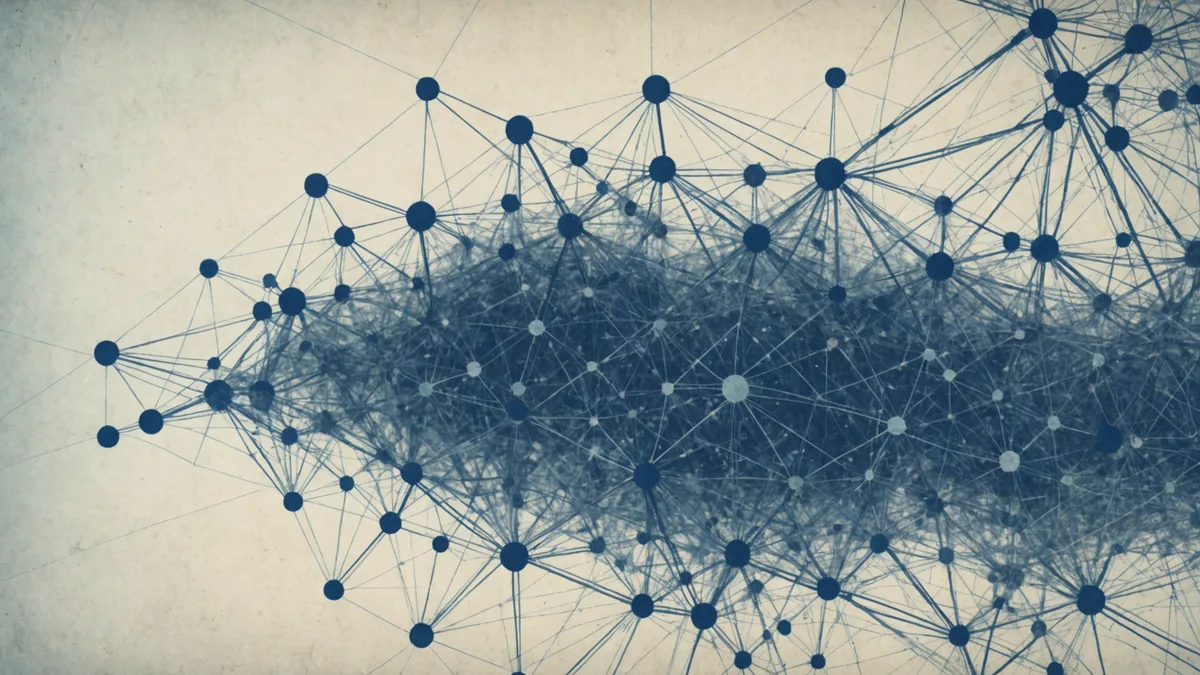
Spacebackend's ICD pipeline extracts structure, maps semantics, resolves cross-references, handles ambiguity, and validates against CCSDS patterns with LLMs.

For OBSW, regression tests can separate software-only behavioral fidelity from hardware conformance, avoiding a full MIL environment.
CCSDS packet validation covers mission-safety checks, commonly missed checks, and automation, including 14-bit per-APID sequence counts that wrap at 16383.
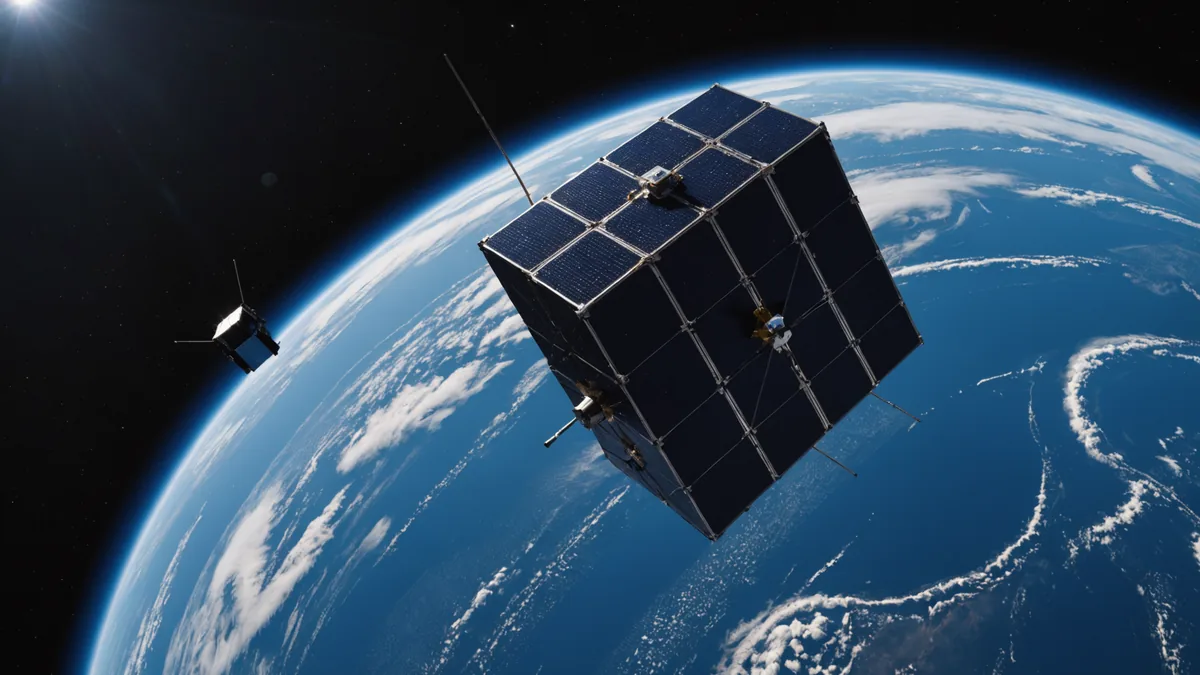
A 3U CubeSat case shows how deferred tests and reduced configs left 11 of 23 TC types untested against the flight-configured binary one month before launch integration.

Spacebackend's 1-week baseline for a 340-page OBSW ICD v2.3 covers manual APID orientation, field/type mapping, and the resulting parser and unit-test suite.